Why Argentina can’t retire Lionel Messi’s No 10 shirt
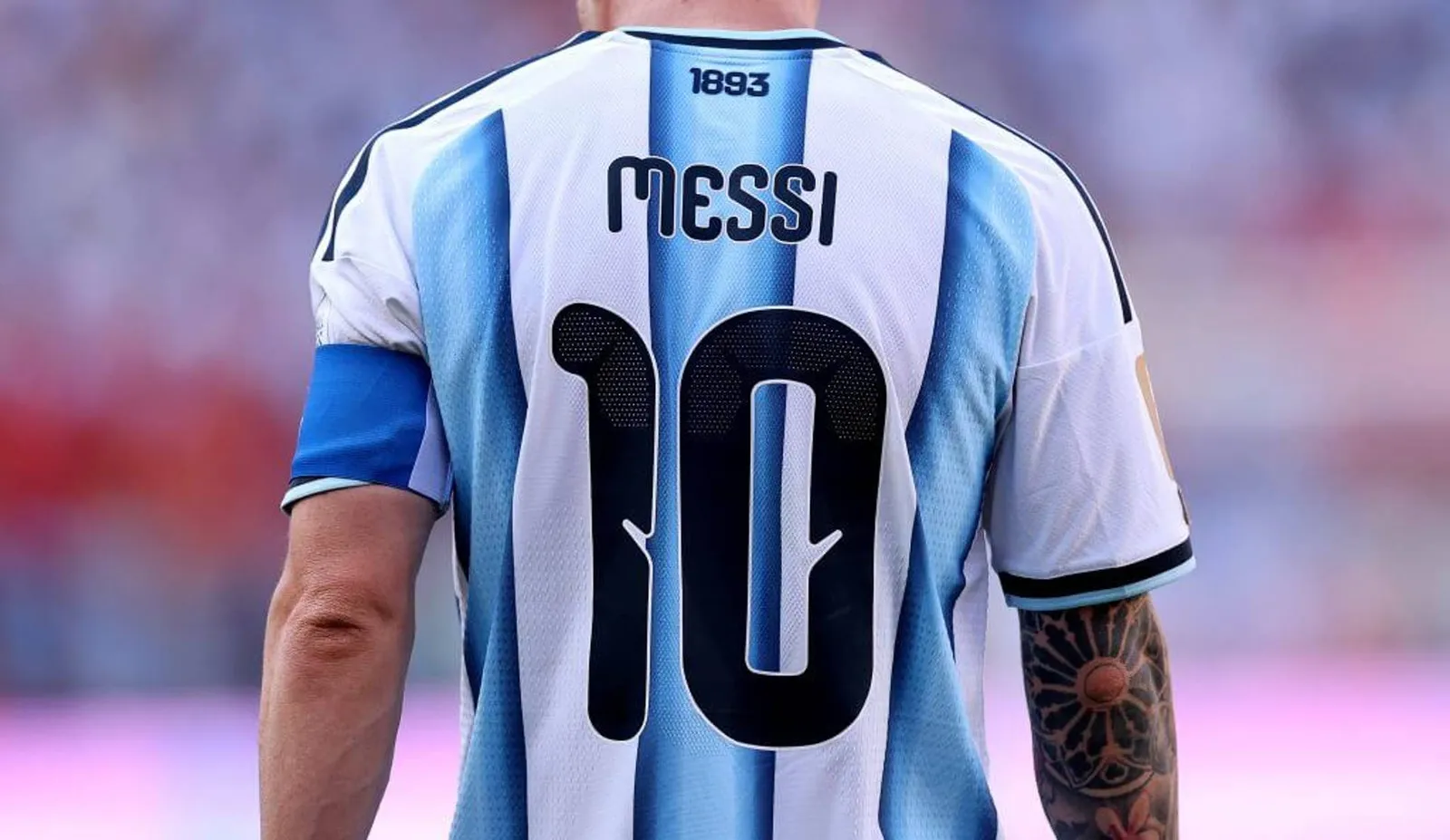
Lionel Messi's No. 10 has become inseparable from Argentina's history, but FIFA rules mean the iconic shirt cannot be permanently retired in official tournaments.
By Collins Godfrey
Oct. 8, 2026
In a bustling barbershop in south London, a Manchester United-supporting barber is pontificating about one of his favourite players, Cristiano Ronaldo. No one should be able to wear the No 7 for Portugal ever again, he says, between neatly trimming my hair.
I look at him through the mirror and consider telling him about one of FIFA’s lesser-known rules that would make that impossible. But I opt to remain quiet. It wasn’t the time.
Though Ronaldo left the Portugal camp early this international break, he has not officially announced his retirement from his national team and, on Monday, the head of the Portuguese Football Federation (FPF) suggested the forward was likely to return to the national team setup, so talk of retiring his shirt number is far too early.
Lionel Messi, however, is departing the international stage on Tuesday, with the 39-year-old’s send-off for Argentina taking place against Benin at the Estadio Monumental in Buenos Aires.
It will be Messi’s 208th appearance for his country, and his last chance to add to his 125 international goals — both figures are Argentinian records.
After making his debut in 2005 and taking up the No 10 shirt for Argentina in 2009, Messi went on to win back-to-back Copa America titles, in 2021 and 2024, and the 2022 World Cup, cementing his place as an all-time sports great.
Messi’s departure from the international stage also brings us back to the topic of retiring shirt numbers. What is that lesser-known FIFA rule? And what does it mean for the Argentina No.10 shirt?
A sports great in the U.S. can expect their jersey/shirt number to be retired, especially in the NBA or MLB, where it is most common. It is one of the ultimate honours a team can bestow on a player — that their impact and status was so significant that no one should wear the same number again.
In the WNBA, Sue Bird’s No 10 was retired at Seattle Storm, while at the Seattle Reign no one will wear the No 15 once worn by Megan Rapinoe.
One player can also have their number retired by several teams.
Take Wilt Chamberlain, a dominant force in the NBA throughout the 1960s. His No 13 is retired at the Golden State Warriors, Philadelphia 76ers and Los Angeles Lakers. In basketball, a team’s retired numbers hang in the rafters of their arena.
Some players wear different numbers throughout their career and have numerous retired numbers, like the late Kobe Bryant, who has No. 8 and No. 24 retired at the Lakers in his honour. Except for the Los Angeles Clippers, every NBA team has retired the number of at least one former player.
Wilt Chamberlain #13 of the Philadelphia 76ers rebounds against Bill Russell #6 of the Boston Celtics
There are some athletes who were so great that their number has been retired league-wide — Bill Russell’s No 6 in the NBA, Jackie Robinson’s No 42 in MLB and Wayne Gretzky’s No 99 across the NHL.
In football, the practice is rare. Liverpool paid respect to Diogo Jota by retiring his No 20 after his tragic passing in 2025, while Johan Cruyff (14, Ajax), Paolo Maldini (3, Milan), Franco Baresi (6, Milan) and Jude Bellingham (22, Birmingham City) are among others.
Surprisingly, FIFA — who have proved open to other U.S. sport innovations, such as half-time shows and championship rings, during the 2026 World Cup at least — have rules that don’t make it possible.
During FIFA and FIFA confederation (Argentina is in CONMEBOL) tournaments, national teams are required to designate consecutive numbers for every player in the squad. At the 2026 World Cup, squads were made up of 26 players, meaning squad numbers had to go 1 to 26.
The Argentinian Football Association (AFA) has tried to retire their No 10 shirt before, in honour of another World Cup-winning great, Diego Maradona. They had a request denied by FIFA ahead of the 2002 World Cup, and it was instead worn by Ariel Ortega. Italian club side Napoli did retire the No 10 for their former player, though.
However, the AFA could choose to keep the No 10 off limits during friendly matches, where rules are more flexible.
Diego Maradona, lifted in the air, hoists the World Cup trophy aloft
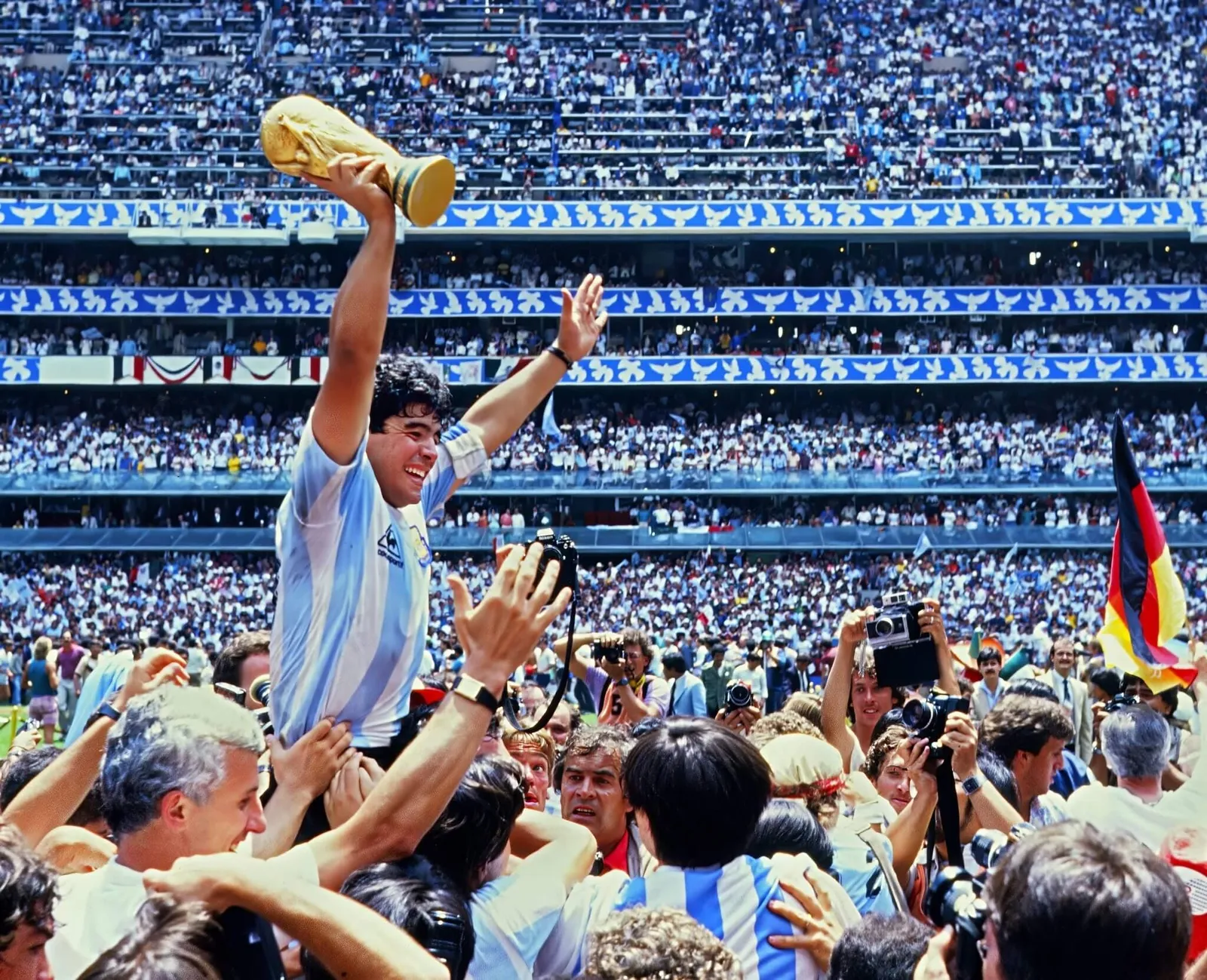
Diego Maradona won the World Cup with Argentina in 1986Paul Bereswill/Getty Images
Having been worn by Maradona and now Messi, Argentina’s two greatest players donned the No 10. As did another left-footed wizard in Mario Kempes.
“We all thought we were a bit different as players. Even if we weren’t, we all wanted to wear No 10 from a young age. Obviously, it’s always been a special shirt,” Messi told FIFA.
It is a shirt number that comes with large expectations, but the Argentine talents who could go on to wear the No 10 are Nico Paz (Como) and Franco Mastantuono (Real Madrid), both of whom are also left-footed creative players. This is if it is not handed to an established star, such as Alexis Mac Allister, who wears the number at club level for Liverpool.
“We’ll wait until Leo’s (last) match and then see what happens. The idea is for one player to make it their own,” Argentina head coach Lionel Scaloni told FIFA.
Tags
More in International Football
View all ›8 Oct 2026
International FootballWith clear needs, USMNT can embrace the hope that comes with its top prospects
8 Oct 2026
International FootballCristiano Ronaldo’s farewell to Portugal is becoming a tragic mess. Goodwill is draining away
8 Oct 2026
International FootballInfantino Turns to Africa as FIFA Election Battle Begins to Take Shape
About the author

Collins Godfrey
Writer