Manchester City Punishment Could Have Wider Consequences for UK–UAE Relations
Manchester City’s financial case could become bigger than football if a heavy punishment creates tensions around the wider UK–UAE business and investment relationship.
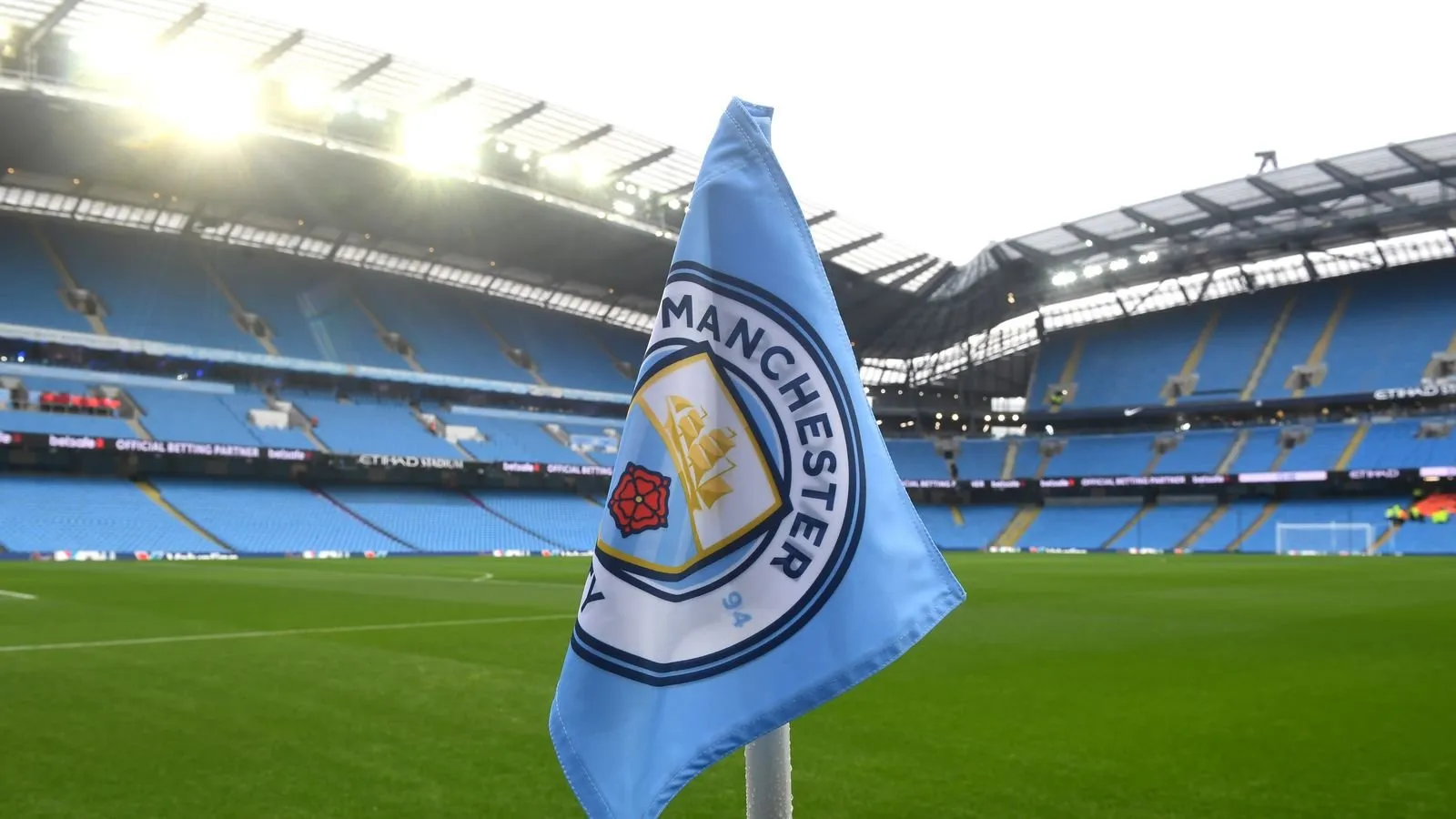
Manchester City’s financial case has entered a new and potentially consequential phase, with the club appealing an independent commission’s findings that it breached Premier League financial rules over a nine-season period.
The commission found City guilty of serious financial breaches between 2009/10 and 2017/18, including the use of what it described as “sham” commercial arrangements, misstated financial information and failures to cooperate with the Premier League’s investigation. The commission’s findings centred on more than £900 million in allegedly inflated revenue and understated costs.
City strongly reject the findings and lodged their appeal on October 1, insisting that the ruling contains material errors of law, principle and fact. The appeal will be considered by an independent three-member board.
However, if the appeal fails and the Premier League ultimately imposes a severe sporting or financial punishment, the consequences could extend well beyond the Etihad Stadium.
Could the punishment affect UK–UAE relations?
The potential impact is particularly sensitive because Manchester City’s ownership is closely associated with Abu Dhabi, while the UAE has developed a significant economic relationship with Britain.
The United Kingdom and UAE have a broad partnership covering trade, investment, defence, energy, artificial intelligence and other strategic sectors. In April 2026, both governments formally agreed a framework for enhanced cooperation across these areas.
Official UK figures also show that bilateral trade between Britain and the UAE reached £25.3 billion in the four quarters to the end of September 2025. UAE investment stock in the UK stood at approximately £7 billion at the end of 2024.
That means any dispute involving an Abu Dhabi-backed institution cannot automatically be treated as an isolated football issue, particularly if Emirati investors or officials perceive the punishment as unfair or politically motivated.
Investment could become part of the conversation
There have already been reports suggesting that the City verdict could create tension around future Emirati investment in Britain.
The Guardian reported on October 3 that the UAE was considering whether to halt major UK investments following the verdict, including concerns surrounding a multibillion-pound investment linked to an “Oxbridge tech hub”. However, this remains a reported possibility rather than a confirmed government decision.
The distinction is important.
There is currently no evidence that the UK government has decided to soften the Premier League process because of Emirati investment, nor that the UAE has formally withdrawn its investment commitments because of Manchester City.
Nevertheless, the possibility illustrates the unusual position of the case: a Premier League disciplinary process is unfolding against a club whose ownership is connected to one of Britain's major international economic partners.
Why a heavy punishment would create pressure
The Premier League has several potential sanctions available, with possibilities ranging from substantial financial penalties and points deductions to more severe sporting consequences. Relegation or even expulsion from the competition has been discussed as a possible outcome, although the eventual sanction remains unknown and City’s appeal is ongoing.
A particularly severe punishment could therefore have consequences for Manchester City’s commercial ecosystem, its sponsors, its future investment plans and potentially the wider economic footprint of Abu Dhabi-linked interests in British sport and business.
It could also trigger further legal disputes.
Rival clubs, players, agents and other parties are reportedly considering whether they could pursue compensation claims connected to the findings. The Football Association has also said it is monitoring the case because of its implications for the integrity of English football.
Football integrity versus international business
At the heart of the situation is a difficult balancing act.
The Premier League has to apply its rules independently and protect the integrity of its competition. At the same time, Britain has a much broader economic and diplomatic relationship with the UAE that extends far beyond football.
The UK government itself describes the UAE as a significant source of direct and indirect investment, with Emirati investments in areas including ports, renewable energy and other strategic sectors.
That makes Manchester City an unusual case.
A punishment imposed on the club would formally be a footballing decision, not a decision against the UAE or Abu Dhabi. But because of the ownership structure and the scale of the UK's relationship with Emirati capital, the reaction to that punishment could potentially resonate in political and commercial circles.
For now, City’s appeal remains the immediate focus. The club continues to maintain that it is innocent, while the Premier League stands behind the independent commission’s findings.
What happens next could therefore determine not only Manchester City’s sporting future, but also whether one of the most controversial cases in Premier League history remains confined to football—or becomes another point of tension in the increasingly important UK–UAE economic relationship.
Tags
More in Analysis
View all ›About the author