What is happening with Alejandro Garnacho at Aston Villa?
Alejandro Garnacho joined Aston Villa to revive his career after leaving Chelsea, but limited playing time under Unai Emery has raised questions about his future. Recent goals in friendlies offer hope, though he must earn his place in Villa's attack.

“Ready now” was the caption on Alejandro Garnacho’s Instagram.
The 22-year-old had scored in both of Aston Villa’s friendlies over the international break, first against Southampton in a behind-closed-doors 1-0 victory and then away in a 3-1 win against Sevilla.
Garnacho being “ready” may prove a false dawn or be optimistic. But it definitely encapsulated his rough start in the Midlands, where he has not looked prepared for a multitude of reasons.
Villa sources — who, like others in this article, spoke on condition of anonymity because they are not authorised to do so — believe Garnacho is beginning to progress.
This view is relative to how Garnacho had been before the international break: profoundly low on fitness, void of confidence, and clearly disrupted by challenges off the pitch following his move from Chelsea in July.
His start at Villa suggested there would not be an instant remedy. Unai Emery has made a career of rehabilitating ailing high-profile careers, and the manager would have to find the right buttons to press.
Looking to sign at least one winger, Villa’s decision to pivot to Garnacho in the summer surprised many close observers — even some of the footballing staff. He was seen as a market opportunity, the type that typically appeals to Emery, who had advocated signing the Argentina international from Manchester United the previous summer. Back then, the possibility of Champions League football at Chelsea swung the winger.
Roma had expressed interest and several sources, including some at Villa, believed he would end up in Italy. Villa were sidetracked by a complicated pursuit of Paris Saint-Germain forward Ibrahim Mbaye, who eventually joined Garnacho at Villa.
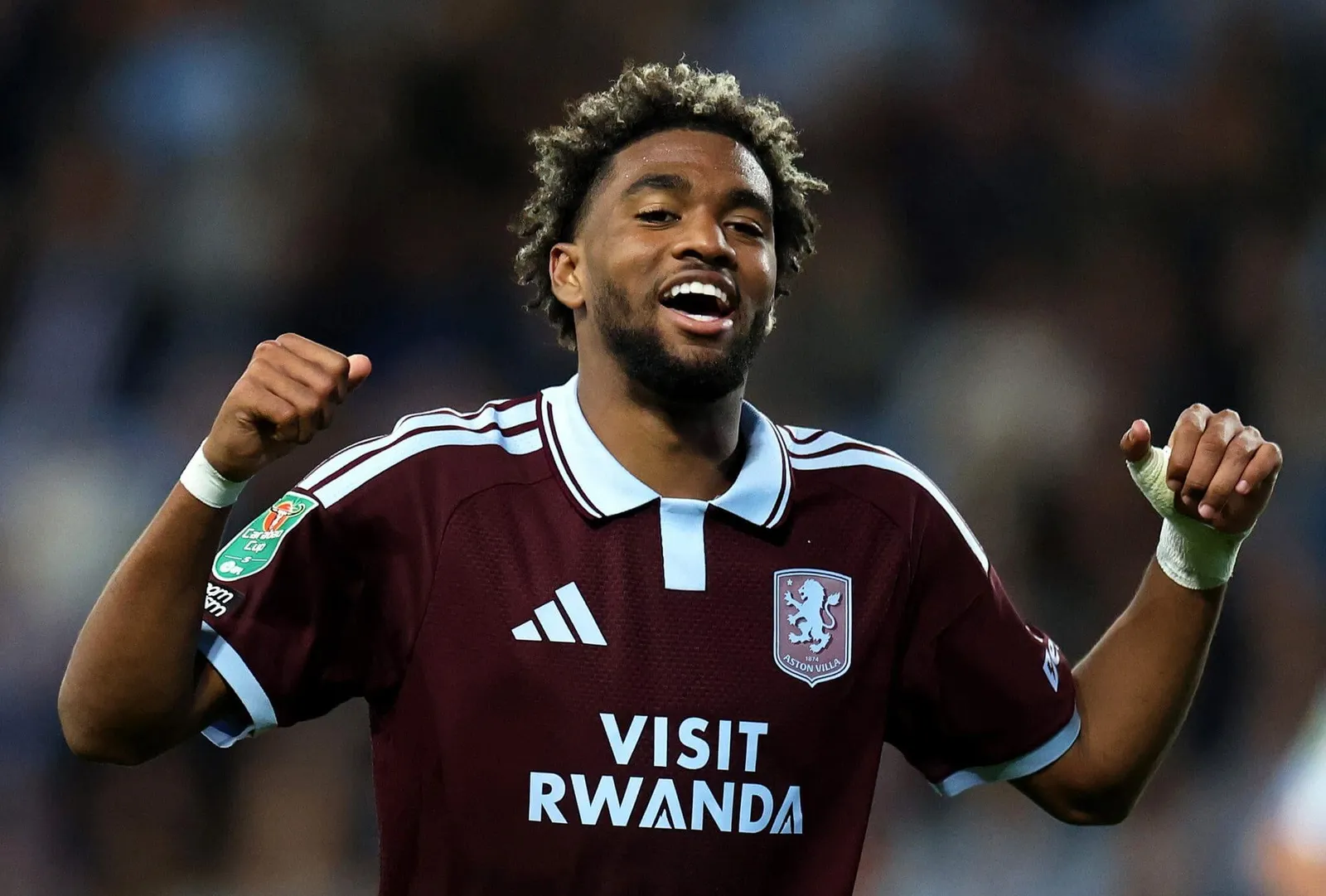
Aston Villa also signed Ibrahim Mbaye this summerAston Villa/Aston Villa FC via Getty Images
Emery, however, pressed forward, leaning on his agent Jorge Mendes. Sources say Mendes has been influential in many Villa deals, including Mbaye, and this was no different. He had been pushing for the move, despite not being Garnacho’s main agent. Mendes was involved as a broker.
With Chelsea briefing Garnacho’s asking price to any interested suitor in the weeks before, Villa knew the parameters, unlike Mbaye. They agreed an initial loan with a conditional obligation that, The Athletic revealed, was based on appearances. The overall package, including the loan fee, could total £42.5million ($56m).
Chelsea sources claim the appearance threshold was “easily achievable”, while Villa sources, speaking recently, have reiterated this. The exact threshold is opaque and remains a closely guarded secret, but multiple sources say it is easier to achieve than the 10 Premier League games it would have taken to trigger the purchase of Harvey Elliott for £35million from Liverpool last season.
Garnacho’s agreement contains no recall clause. Despite suspicions from close observers that Villa will try to offload him in January, naturally drawing parallels to Elliott, the club are still hopeful this move will work. Only if Emery has lost complete faith will Villa start exploring exit routes.
Emery views Garnacho as a long-term project, provided the player follows his methods. The manager is willing to be more patient with Garnacho, considering he was not signed as a guaranteed starter. Captain John McGinn is the first choice on the left and Villa’s No 1 winger priority, even after Garnacho joined, was Mbaye.
Two Villa sources said they would be amazed if Garnacho did not end up being their player beyond the season, with staff being briefed that the initial loan came with the extreme likelihood that Garnacho would transition into a permanent acquisition.
The situation is not as pressing as Elliott’s last year, when Villa quickly realised they did not want to pay the obligation. They then asked Liverpool whether they could raise the obligation threshold, as Emery still wanted to play the then-22-year-old but not pay for him.
Reflecting on the episode at the end of the campaign, Emery called Elliott’s situation “embarrassing” and apologised to the midfielder.
Like with Marcus Rashford’s loan from Manchester United two years ago, Villa do not want to entertain a circus around Garnacho. But questions will come, considering Garnacho’s profile and the mystery over his lack of involvement, especially after Elliott’s failed loan.
Emery convinced Garnacho to stay in England after the player had become determined to leave. England had become a tough place on the pitch and in his personal life, with his career flatlining and the mother of his son leaving the country.
Garnacho had some supporting data to back up Emery’s desire to sign him, but the manager led the transfer. The Mbaye deal was more collaborative, with unanimous support across departments. Nonetheless, Emery had wanted the wide attacker for some time. His conviction changed Garnacho’s stance on moving abroad.
In fairness, it also helped that Chelsea enjoy a strong relationship with Villa, beginning at the top between the owners. They had agreed a British record deal for Morgan Rogers weeks earlier and then struck an agreement for Nicolas Jackson to move in the opposite direction at the end of the window. The only slight tension came when Chelsea pursued Villa’s set-piece coach, Austin MacPhee, and bought out the final two years of his contract.
Both clubs had already shown they were willing to buy and sell from each other. In the summer of 2024, Ian Maatsen joined Villa from Chelsea for a fee worth £37.5m, with academy graduate Omari Kellyman moving in the opposite direction for £19m. The Premier League, having asked for justification of Maatsen’s fee, approved the deal.
Villa fans were surprised by the speed of the move and may have been underwhelmed, but most were willing to back Emery’s judgement. Outside of that orbit, though, Garnacho was seen as a player with raw, misfiring talent, toiling to find consistency on the pitch. His general behaviour was also questioned, underlined by an unstable personal life, public outbursts when not playing, and his brother, Roberto, proving even more outspoken on social media. A lot of noise followed Garnacho.
Villa sources believed the public view of Garnacho suggested prejudice and hoped supporters would give him a fresh start. In the months since, as Garnacho has found himself on the bench, they have been agitated by the headlines and media articles about him.
The first internal impressions were that Garnacho looked low on confidence and fitness. At Chelsea, he had not reported for pre-season as he looked to leave. By then, Chelsea sources said they had received interest from Europe and Saudi Arabia and were optimistic Garnacho would exit before their pre-season tour of Australia at the end of July, a prediction that proved accurate.
This left Garnacho training on his own, just as he was 12 months earlier when Manchester United head coach Ruben Amorim informed him during a team meeting that he had better start looking for a new club. Garnacho did not fit Amorim’s tactical plans but, more to the point, Amorim had grown weary of Garnacho’s petulance when left out of the team.
One of Europe’s most exciting young attackers had suffered successive setbacks, both in brutal fashion. His confidence did not improve upon joining Villa. Garnacho missed the European Super Cup final against PSG after a concussion during a pre-season tour match in Asia.
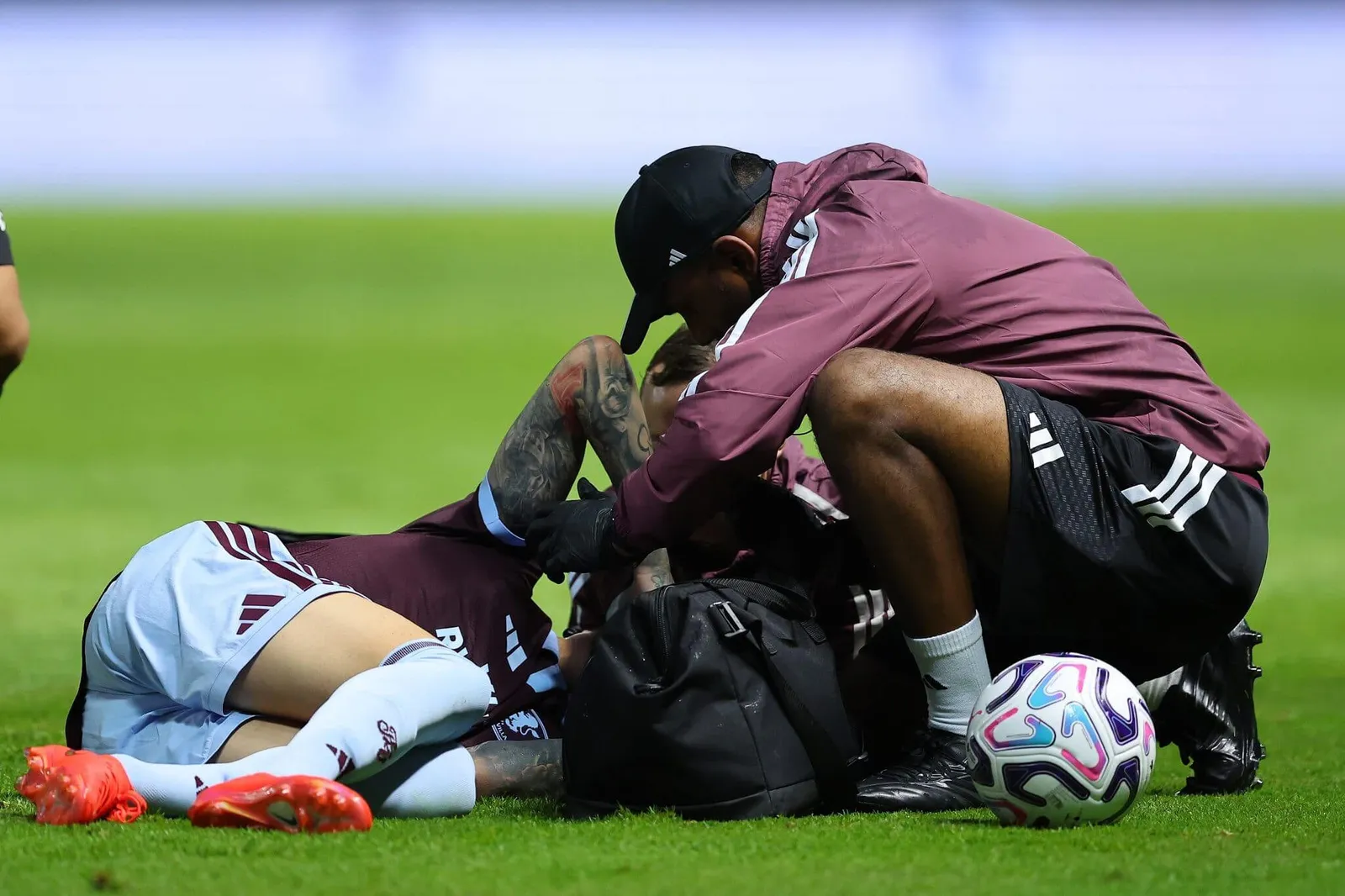
Alejandro Garnacho suffers injury in pre-seasonPakawich Damrongkiattisak/Getty Images
Garnacho was not in the best position to impress in friendlies or training, where he struggled to adjust to Emery’s intensity and demands. Admittedly, it can be hard for any new player to do that. For example, seasoned international Leon Goretzka had also been surprised by the unforgiving nature of the manager’s training sessions after joining in August. Goretzka will need time to attune, and he injured his knee in his first week.
Garnacho carried the look of a young man who had extra weight on his shoulders. Throughout his career, he has come across as distant and glum at times, keeping to himself around the training ground. Young players with a high profile, negotiating a complex personal life and living in a different country, can quickly be worn down by problems. Jhon Duran was a previous example at Aston Villa.
These difficulties can show up in training if a player is not demonstrating sufficient sharpness or adjusting. Emery is ruthless with new signings who don’t show the right behaviours — Tammy Abraham, who signed in January, is another example. Villa had followed Abraham for almost a month, desperate to sign him. When his performances and application in training fell short, Emery had no qualms about leaving him on the bench.
In the early stages of Villa’s new-look era, Garnacho has been a peripheral figure. He has accrued just 31 minutes in three Premier League substitute appearances. When he did not come on away at Coventry City in the Carabao Cup, he quickly found his way back on the team coach.
Disappointment was etched on his face as Emery acknowledged in his post-match press conference that he was behind 19-year-old academy graduate George Hemmings, 20-year-old winger Alysson and Mbaye. If Alysson had been fit to face Tottenham Hotspur a few days later, Garnacho might not have made the bench for that 3-2 win.
Garnacho’s mood is sensitive. The next few weeks, leading up to the next international break in November, will provide more answers. Villa expect to keep Garnacho and believe he is improving, but the evidence of that and his future will be decided on the pitch.
Tags
More in Premier League
View all ›11 Oct 2026
Premier LeagueChelsea are the Premier League entertainers. But what are we to make of them?
About the author

Collins Godfrey
Writer