New London City Player Alexia Putellas Launches ElevenTV to Broadcast the WSL in Spain: How English Football Builds Commercial Power
Alexia Putellas Launches ElevenTV and Secures Rights to Broadcast the WSL to Spain—Proving How English Football Transformed the Game Into a Global Product
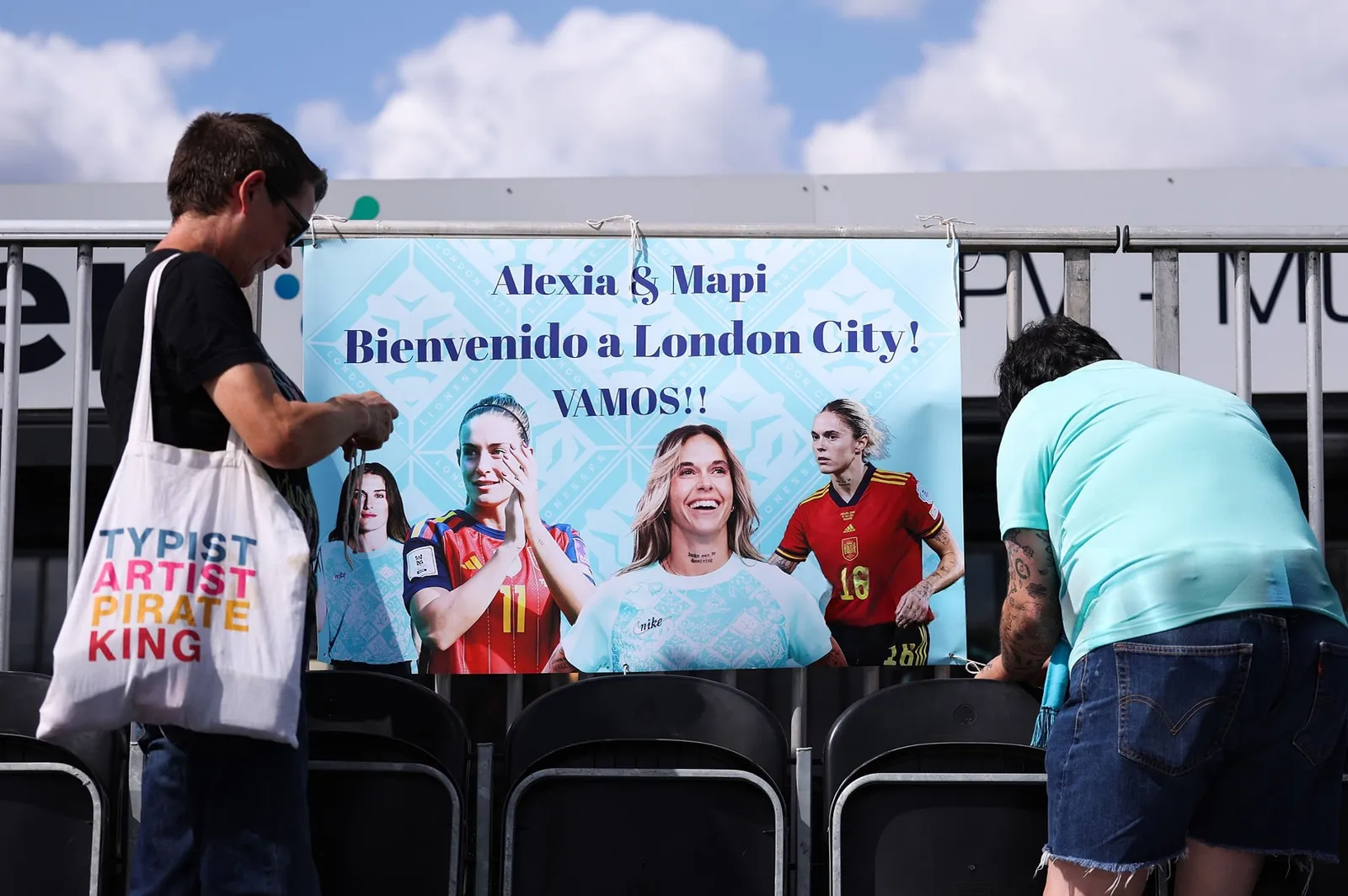
Alexia Putellas spent almost her entire career in Spain. Barcelona. Liga F. Winning the Champions League. Ballon d’Ors. Everything.
And now she has moved to England and, almost immediately, she is helping sell English football back to Spain.
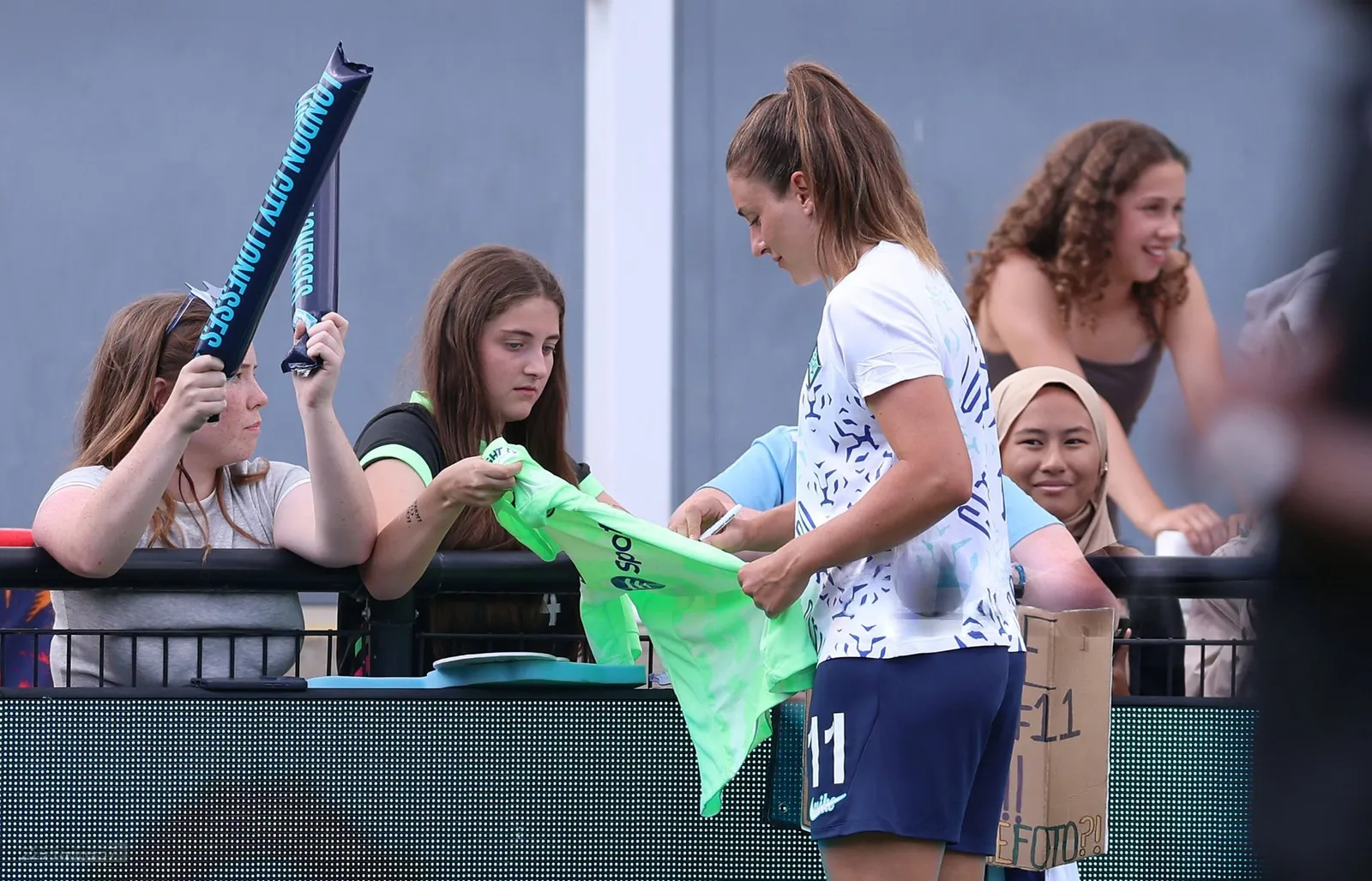
That is the part of this story that really interests me.
Putellas has launched ElevenTV and acquired Spanish rights to show one WSL game per matchweek on YouTube, for now, starting with her own London City Lionesses debut against Manchester United tonight.
Think about that for a second.
A Spanish football icon has gone to England and found a way to become part of the business of broadcasting English football to her own country.
And that says something about how English football has learned to treat football as a product.
England has spent years building an ecosystem around the game where television rights, sponsorship, digital platforms, clubs, players, social media and international audiences all feed into one another. It has become the best as far as FOOTBALL is concerned.
The WSL is not perfect. Far from it.
But look at the machinery around it.
The league has Sky Sports and BBC deals running to 2030. Almost every WSL game is now broadcast live. There are dedicated digital channels. YouTube is part of the distribution strategy. International rights are packaged and sold across different markets.
The league is being built to be watched, followed, marketed and sold.
And the numbers are moving too. WSL Football reported £17.4m in revenue for its first year as an independent organisation, including £8.4m from broadcasting and £8.5m from sponsorship and licensing.
That is the bigger lesson.
Spain has produced some of the greatest women's footballers on earth, even the men's
Yet England becomes increasingly better at building the machine around them, and the product itself
And that's not an insult to Spanish football.
In fact, Spain is trying to catch up. Liga F has just agreed a new three-year domestic rights deal with DAZN, RTVE and TV3, with half of every matchweek available free-to-air.
But there is still something fascinating about the contrast.
Alexia was already a superstar in Spain.
She didn't suddenly become more famous because she moved to London.
The interesting thing is that England gave her another kind of opportunity.
An opportunity to become not just the footballer people watch, but part of the business that decides how people watch football.
And that is where English football has been incredibly clever.
The Premier League figured this out decades ago: the match is only one part of the product.
The broadcast is a product. The highlights are a product. The shirt is a product. The player is a product. The story around the player is a product. The international audience is a product.
And once you understand that, you start seeing football differently.
This is why I find the Alexia story so interesting.
She spent 14 years being one of the faces of Spanish football.
Now, in her first season in England, she is helping bring English football into Spanish homes.
That isn't just a transfer story. It's a commercial story.
And perhaps a very good illustration of how far English football has gone in turning the game into an international entertainment business. Perhaps why Newly promoted Hull City spent more than or almost as much as Barcelona and Real Madrid in one window.
London City Lionesses, by the way. I look forward to seeing how they fare. They have been loud in the markets
Featured Image via GettyImages
Tags
More in Analysis
View all ›About the author

Chikamso 'Mr Focus' Okoye
Editor
Writer/Editor at Somtosports.com & Writer/Admin at Football Focus. I write to feel good