Adverse Weather Casts Shadow Over 2026 FIFA World Cup
From thunderstorms and lightning to extreme heat, adverse weather has become a defining storyline of the 2026 FIFA World Cup. Several matches have faced disruptions, with FIFA implementing safety measures to protect players, officials and fans.
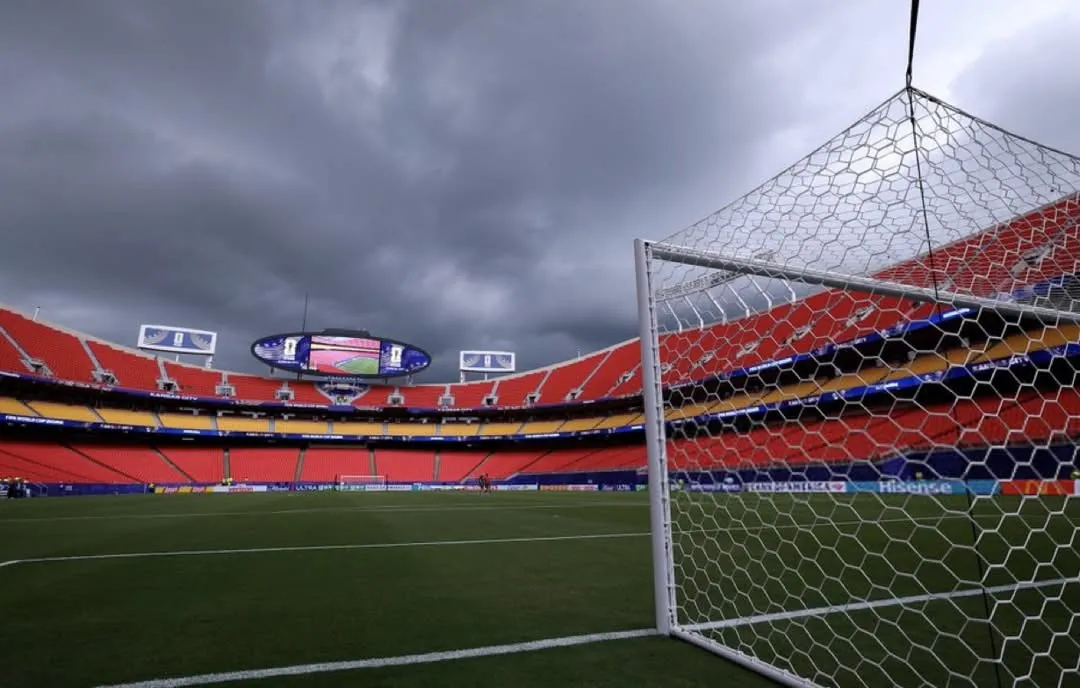
The 2026 FIFA World Cup has delivered thrilling football, dramatic upsets and unforgettable performances, but adverse weather conditions have also emerged as one of the tournament's biggest challenges.
Several matches have been affected by severe weather across host cities in the United States, Canada and Mexico, with thunderstorms, lightning, heavy rainfall and strong winds disrupting schedules and forcing organizers to activate safety protocols.
One of the most notable incidents involved France's group-stage clash, where severe thunderstorms raised the possibility of a delayed kickoff. Tournament organizers closely monitored weather conditions before ultimately ensuring the match could proceed safely, highlighting FIFA's commitment to prioritizing the welfare of players, officials and supporters.
In other host cities, intense heat has also become a growing concern. High temperatures have tested players' endurance, prompting mandatory cooling breaks during several fixtures. Coaches have had to rotate squads more frequently, while medical staff have remained on alert for signs of dehydration and heat-related illnesses.
The unpredictable weather has also presented logistical challenges for fans travelling to stadiums, with flight disruptions, transportation delays and extended security procedures becoming more common on days affected by storms.
Despite the disruptions, FIFA has maintained that robust contingency plans are in place for every venue. Organizers continue to monitor weather forecasts closely, with matches subject to temporary suspension or delayed kick-offs whenever lightning or other dangerous conditions pose a risk to public safety.
As the tournament progresses into the knockout rounds, weather is expected to remain a significant factor. Teams may not only have to overcome their opponents but also adapt to changing environmental conditions that could influence tactics, player fitness and the overall spectacle of the world's biggest football competition.
While the action on the pitch continues to captivate millions around the globe, the 2026 World Cup has also demonstrated that nature can be an unpredictable opponent—one capable of influencing football's grandest stage just as much as any rival.
Tags
More in World Cup 2026
View all ›16 Jul 2026
World Cup 2026Spain vs Argentina: Historic World Cup Final Revives the Finalissima That Never Happened
15 Jul 2026
World Cup 2026Lautaro Martínez Sends Argentina to the World Cup Final with Dramatic Late Winner Against England
About the author

David Ale
Writer