Beyond European Nostalgia: Why FIFA $20B Commercial Move Is Good for Global Football
The Europeans are just being petty. This is my honest opinion;
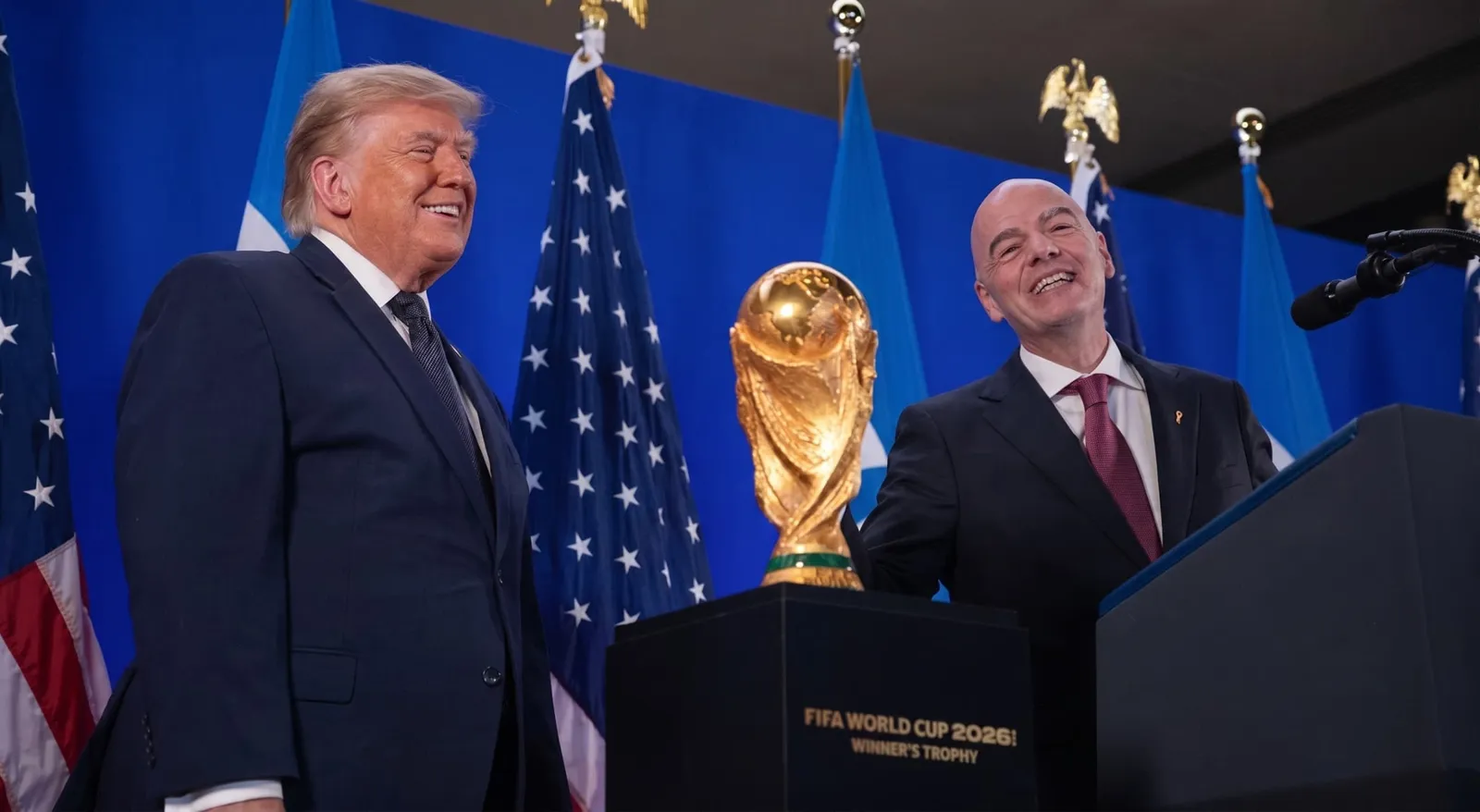
At the end of the day, I genuinely think that what President Gianni Infantino is proposing will be more profitable to FIFA. Historically, Americans don't invest where they don't see potential. I know it goes against what football tradition holds, but times are changing, and football is no longer operating in the 1950s.
Everything in modern sports and beyond is commercialised now, and Europe does not get to hold a permanent monopoly over how global football operates or how its wealth is distributed.
Look at what is happening right in front of us. Over half of the Premier League is under full American ownership, and a massive chunk of top European clubs are backed by US private equity or Gulf investment funds.
Everyone knows they understand how to run sports as scalable businesses—building multi-use, state-of-the-art stadiums, maximising matchday revenue, and pushing digital boundaries. And those are the very teams winning titles and sustaining massive transfer budgets while traditional European models struggle to keep pace.
People get emotional and start screaming that FIFA is a non-profit association, which is normal, but generating higher revenue is inherently not bad. FIFA being a non-profit simply means it does not distribute profits to private shareholders; it reinvests that revenue into global football development.
Look at the actual mechanics of what FIFA is proposing with FIFA Forward Enterprise (FFE). They are valuing this new commercial subsidiary at $20 billion and looking to sell a non-controlling 20% minority stake to top-tier institutional investors led by Thrive Capital, with JPMorgan advising.
This isn't "selling the soul of football" as European and other traditionalists claim. FIFA retains 80% majority ownership and keeps 100% of the control over match rules, international calendars, and governance.
The sale brings in $4.2 billion of immediate private capital, allowing FIFA to hand an immediate $20 million development grant directly to each of its 211 member nations while ramping up annual funding for developing football associations across Africa, Asia, and Latin America.
Why should football wealth remain hoarded inside Europe when commercial expansion can fund pitches, academies, and grassroots systems across the rest of the world? I might not be a business professor, but I know that owning 80% of a properly monetised $20 billion powerhouse (which could double to $40 billion in a few years) leaves FIFA far richer than holding 100% of an outdated status quo.
Look at what happened when Formula 1 brought in American commercial management through Liberty Media. The legacy media complained at first, but global viewership exploded, revenue records were shattered, major changes grew global fan numbers, brought in younger audiences, made team financial values rise sharply, and the sport transformed into a massive cultural phenomenon without altering the fundamental rules of racing.
Yes, this initiative is spearheaded by Americans, and American sports marketing knows how to take a product and multiply its value. Remember when traditionalists threw a fit over VAR, hydration breaks, five substitutions, spider cams, etc.? People swore those changes were going to ruin the sport, but today nobody can imagine modern football without them.
The current pushback from European bodies might seem innocent or for a good cause to some, but I think it is pure nostalgia and defensive politics from institutional elites who fear losing control over global football wealth.
Big-money investors do not commit billions unless they see real growth. This evolution isn't to destroy football; it is to position the game to thrive globally, and we can either adapt to the shift now or get left behind arguing over tradition.
(This is an honest opinion of mine, coupled with research and findings I made. Correct me if I am wrong)
Tags
More in Analysis
View all ›About the author

Chikamso 'Mr Focus' Okoye
Editor
Writer/Editor at Somtosports.com & Writer/Admin at Football Focus. I write to feel good