European Nations Threaten World Cup Boycott Over FIFA’s Private Investment Proposal
European football is on the brink of an unprecedented confrontation with FIFA following reports that several nations are considering boycotting future FIFA World Cups if President Gianni Infantino proceeds with plans to sell a stake in the governing body’s commercial operations to private investors.
The proposal, which has generated widespread debate across the football world, involves the creation of a new commercial entity that would oversee FIFA’s lucrative business interests, including broadcasting rights, sponsorships, hospitality, ticketing and licensing.
FIFA believes bringing in outside investment could unlock billions of dollars in additional revenue, allowing the organisation to expand funding for football development programmes across its 211 member associations.
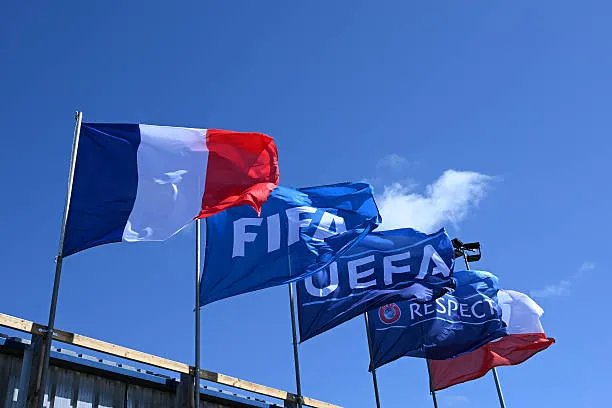
However, the idea has met fierce resistance from Europe. UEFA and several national footballing associations fear that introducing private equity into FIFA’s commercial structure could fundamentally alter the governance of the world’s biggest sport.
Critics argue that while FIFA insists sporting decisions will remain independent, private investors will inevitably seek financial returns, creating pressure to prioritise commercial growth over the interests of players, supporters and national associations.
Reports suggest UEFA has held discussions with its member nations to explore possible responses should FIFA push ahead without broader consultation.
Among the options reportedly raised is the possibility of a coordinated boycott of future FIFA competitions, including the men’s World Cup; a move that would dramatically reshape international football given Europe’s influence on the global game.
European officials have also criticised what they see as a lack of transparency surrounding the proposal, arguing that such a significant change should involve extensive consultation with confederations and member associations before any vote is taken.
Supporters’ groups and football governance experts have echoed those concerns, warning against the growing commercialisation of football’s most prestigious tournament.
FIFA, meanwhile, maintains that the proposed investment would strengthen rather than weaken the sport. The organisation argues that new funding would help develop football in emerging nations, improve infrastructure and increase financial support for grassroots programmes around the world.
As discussions continue, tensions between FIFA and UEFA appear to be escalating. While no boycott has been formally announced, the mere possibility highlights the seriousness of the dispute.
Should negotiations fail, football could face one of the most significant governance crises in its modern history, with the future direction of the World Cup hanging in the balance.
Tags
More in World Cup 2026
View all ›30 Jul 2026
World Cup 2026“We Lost Control After the Hydration Break” - Ancelotti Reflects on World Cup Exit
About the author
Nnadebe Chukwuma
Writer