Saibari Makes History as Morocco Beat Scotland
Ismael Saibari Scored a Record-Breaking Goal as Morocco Defeated Scotland and Moved to the Top of their World Cup Group.
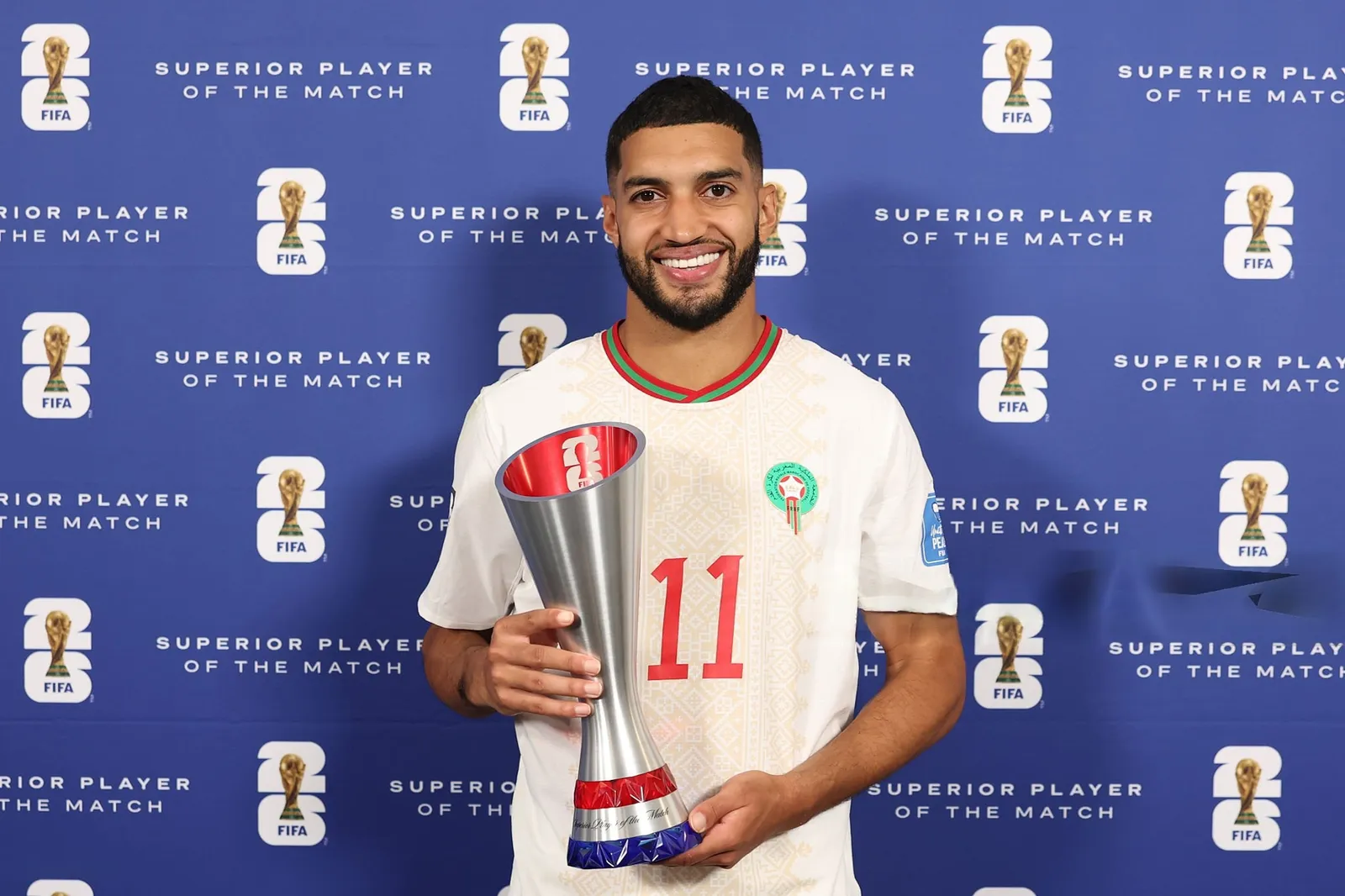
Morocco continued their impressive World Cup campaign with a huge victory over Scotland, ending 0-1, and moving to the top of their group.
The hero once again was Ismael Saibari.
According to match reports, Saibari needed just 71 seconds to find the back of the net, scoring the fastest goal of the 2026 FIFA World Cup. The PSV midfielder made history with the strike and gave Morocco the perfect start.
The goal was made possible by another moment of quality from Brahim Diaz.
The Real Madrid star provided the assist, meaning he has now registered two assists in his first two World Cup matches. Diaz continues to be one of Morocco's most important creative players and is proving capable of delivering when his team needs him most.
Saibari's goal was special for another reason.
According to records, he became the first Moroccan player ever to score in each of his first two World Cup appearances. The achievement highlights his growing importance to the national team and explains why he was later named Man of the Match.
Two games.
Two goals.
One record after another.
While Scotland tried to fight their way back into the match, Morocco remained organised and disciplined. The North Africans looked confident throughout and fully deserved the three points.
The result is another reminder that Morocco are no longer a team that simply hopes to compete at major tournaments.
They expect to win.
Morocco's unbeaten streak has now been extended to 39 games, incredible!
With players like Saibari and Brahim Diaz performing at such a high level, Morocco are becoming one of the most exciting teams to watch at this World Cup.
And if Saibari keeps producing moments like this, the Atlas Lions could be heading for something very special.
Tags
More in World Cup 2026
View all ›About the author
Michael Evalls
Writer
Top Author at Somtosport.com, delivering verified updates on Nigerian, African, and World football, from grassroot talents to the biggest stages.